
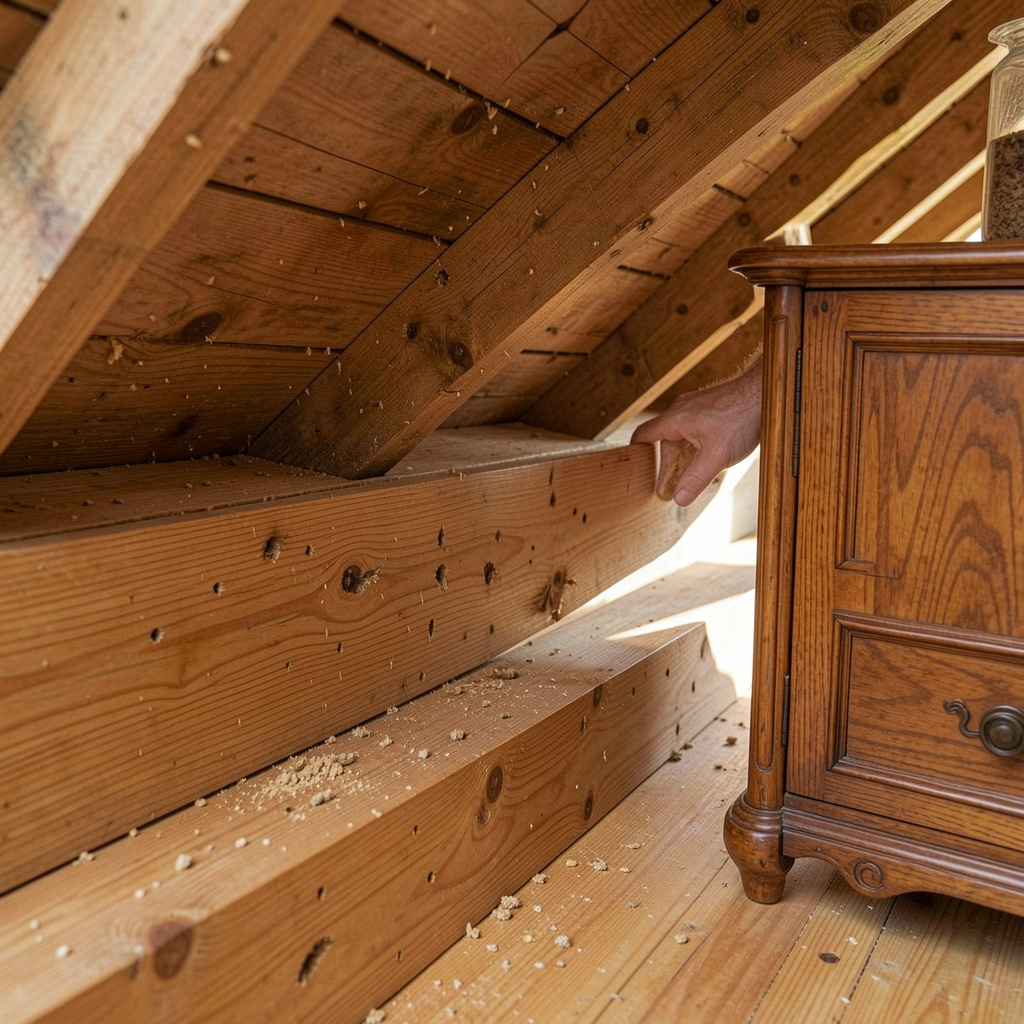
Antique furniture brings beauty, craftsmanship, history, and value into a home. Whether it is an old wooden cabinet, vintage table, carved chair, or family heirloom, antique wood deserves special care and protection. Unfortunately, one of the biggest threats to antique furniture is woodworm infestation.
Woodworm can quietly damage antique furniture from the inside, weakening timber over time and reducing both structural strength and financial value. Because antique pieces are often made from old natural wood, they may contain small cracks and untreated areas where wood-boring beetles can easily lay eggs.
The good news is that antique furniture can often be treated successfully without replacing the wood or damaging its original appearance. However, treatment must be chosen carefully to protect delicate finishes and preserve the furniture’s historical value.
Many homeowners and collectors researching timber care through shashel.eu/ often want to know the safest and most effective way to remove woodworm from antique furniture while preserving the original timber.
In this guide, we will explain how to identify woodworm in antique furniture, the best treatment methods, and how to protect valuable wooden pieces from future infestation.
What Is Woodworm?
Before discussing treatment, it is important to understand what woodworm actually is.
Despite the name, woodworm is not a worm.
Woodworm refers to the larvae of wood-boring beetles that feed on timber from the inside.
Adult beetles lay eggs in cracks, untreated surfaces, or hidden areas of wood.
Once the eggs hatch, larvae tunnel into timber and begin feeding.
Over time, this creates internal tunnels that weaken furniture.
Eventually, adult beetles emerge through tiny holes.
Because larvae often remain hidden for years, antique furniture may appear fine externally while damage develops inside.
Why Antique Furniture Is Vulnerable
Antique furniture faces higher risk for several reasons.
Aging Wood
Older timber often develops:
- Small cracks
- Surface gaps
- Dry areas
These spaces make ideal locations for beetles to lay eggs.
Untreated Wood
Many antique pieces were created before modern protective treatments existed.
This increases vulnerability.
Storage Conditions
Antiques kept in:
- Damp rooms
- Basements
- Poorly ventilated spaces
face higher infestation risk.
Moisture greatly increases woodworm activity.
Signs of Woodworm in Antique Furniture
Recognizing infestation early improves treatment success.
Tiny Round Holes
Small holes in wood are one of the clearest warning signs.
What to Look For
Fresh holes often appear:
- Clean
- Light-colored
Older holes may look darker.
Even small holes deserve attention.
Powdery Wood Dust (Frass)
Fine powder beneath furniture may indicate active infestation.
This dust often appears near:
- Table legs
- Drawers
- Undersides
Fresh dust often means larvae are still feeding.
Weak or Fragile Wood
Woodworm damages timber internally.
Furniture may feel:
- Fragile
- Weak
- Brittle
Loose joints can also signal damage.
Beetles Near Furniture
Adult beetles sometimes emerge during warmer months.
Repeated sightings may suggest active infestation.
Step 1: Confirm Whether the Infestation Is Active
Not every woodworm hole means active infestation.
Some antique furniture contains historic damage.
Signs of Active Woodworm
Look for:
- Fresh powdery dust
- New holes appearing
- Beetle activity
If uncertain, professional inspection may help.
Knowing whether infestation is active prevents unnecessary treatment.
Step 2: Improve Storage Conditions
Before treatment, fix conditions encouraging infestation.
Ideal Storage Environment
Antique furniture should stay:
- Dry
- Well ventilated
- Away from moisture
Avoid Damp Areas
Do not store antiques in:
- Wet basements
- Damp garages
Healthy storage protects timber naturally.
Many homeowners exploring antique wood care through shashel.eu prioritize moisture control because dry timber naturally discourages woodworm.
Step 3: Chemical Woodworm Treatment
Chemical treatment is a common solution.
How It Works
Wood preservatives are carefully applied to furniture.
The treatment kills:
- Larvae
- Emerging beetles
Best For
Chemical treatment often works well for:
- Mild infestation
- Moderate damage
Important Consideration
Harsh chemicals may damage antique finishes.
Professional handling is often recommended.
Protecting appearance matters.
Step 4: Microwave Treatment for Antique Furniture
Microwave treatment is becoming increasingly popular for antiques.
How Microwave Treatment Works
Microwave energy heats moisture inside timber.
This destroys:
- Larvae
- Eggs
- Adult insects
Why It Works Well for Antiques
Benefits include:
- Chemical-free treatment
- Deep penetration
- Minimal surface disruption
Microwave treatment often preserves delicate finishes better than stronger chemical approaches.
Step 5: Heat Treatment
Heat treatment is another safe option.
How Heat Treatment Works
Controlled temperatures eliminate hidden pests inside wood.
Benefits
Heat treatment offers:
- No toxic chemicals
- Effective internal pest removal
Best For
Works well for:
- Valuable furniture
- Sensitive timber
Professional treatment improves safety.
Step 6: Freezing Small Antique Items
For smaller antique objects, freezing can sometimes work.
How It Works
Cold temperatures naturally destroy larvae.
Best For
Suitable for:
- Small decorative pieces
- Small wooden antiques
Large furniture is usually unsuitable.
Step 7: Repair Weak Areas Carefully
After infestation ends, furniture may need restoration.
Common Repairs Include
- Strengthening joints
- Repairing cracks
- Stabilizing weak wood
Gentle restoration preserves original character.
Avoid replacing more wood than necessary.
Can Antique Furniture Be Saved?
In many cases:
Yes
Even heavily infested antiques are often repairable if treatment starts early.
Factors Affecting Success
Success depends on:
- Severity of infestation
- Timber condition
- Speed of treatment
The earlier infestation is treated, the easier preservation becomes.
Preventing Future Woodworm in Antique Furniture
Prevention is essential after treatment.
Keep Furniture Dry
Dry timber discourages beetles.
Improve Ventilation
Good airflow reduces humidity.
Inspect Regularly
Routine checks reveal warning signs early.
Avoid Damp Storage
Humidity encourages infestation.
Clean Furniture Often
Cleaning helps spot fresh dust or holes.
Small maintenance habits protect antiques.
Common Mistakes Owners Make
Ignoring Tiny Holes
Small holes may indicate active infestation.
Using Harsh DIY Chemicals
Strong products may damage finishes.
Storing Furniture Poorly
Damp storage encourages pests.
Delaying Treatment
Waiting increases damage.
Fast action protects value.
When to Seek Professional Help
Professional treatment is recommended if:
- Furniture is highly valuable
- Infestation spreads
- Wood weakens
Experts can recommend safe treatment without harming the antique.
Professional care often preserves value better.
Conclusion
Woodworm treatment for antique furniture requires a careful balance between eliminating pests and preserving original craftsmanship. While woodworm can quietly damage valuable furniture from the inside, modern treatment methods such as microwave technology, heat treatment, gentle chemical care, and proper storage conditions often allow homeowners to save antiques without replacing wood.
Many collectors and homeowners researching timber care through shashel.eu understand that early detection and proper treatment are the key to protecting valuable wooden furniture.